01
Trace the real system
Client footage, testing references, product geometry and installation procedure established the world. Before making it cinematic, the work had to understand what it was looking at.
ClampStar
An industrial film built from real helicopter installation footage, exact product scrutiny and cinematic extensions—so the people who know the work could believe it.
The assignment
Make the scale impossible to ignore—and the detail impossible to get wrong.
01 / The problem
The installation could happen from a helicopter. The ClampStar itself was barely visible.
The audience included utility executives, grid operators and engineers—people who would notice incorrect product geometry, cable routing, scale, sag or grounding detail. The film had to create excitement without asking technical credibility to look the other way.
02 / What our lens uncovered
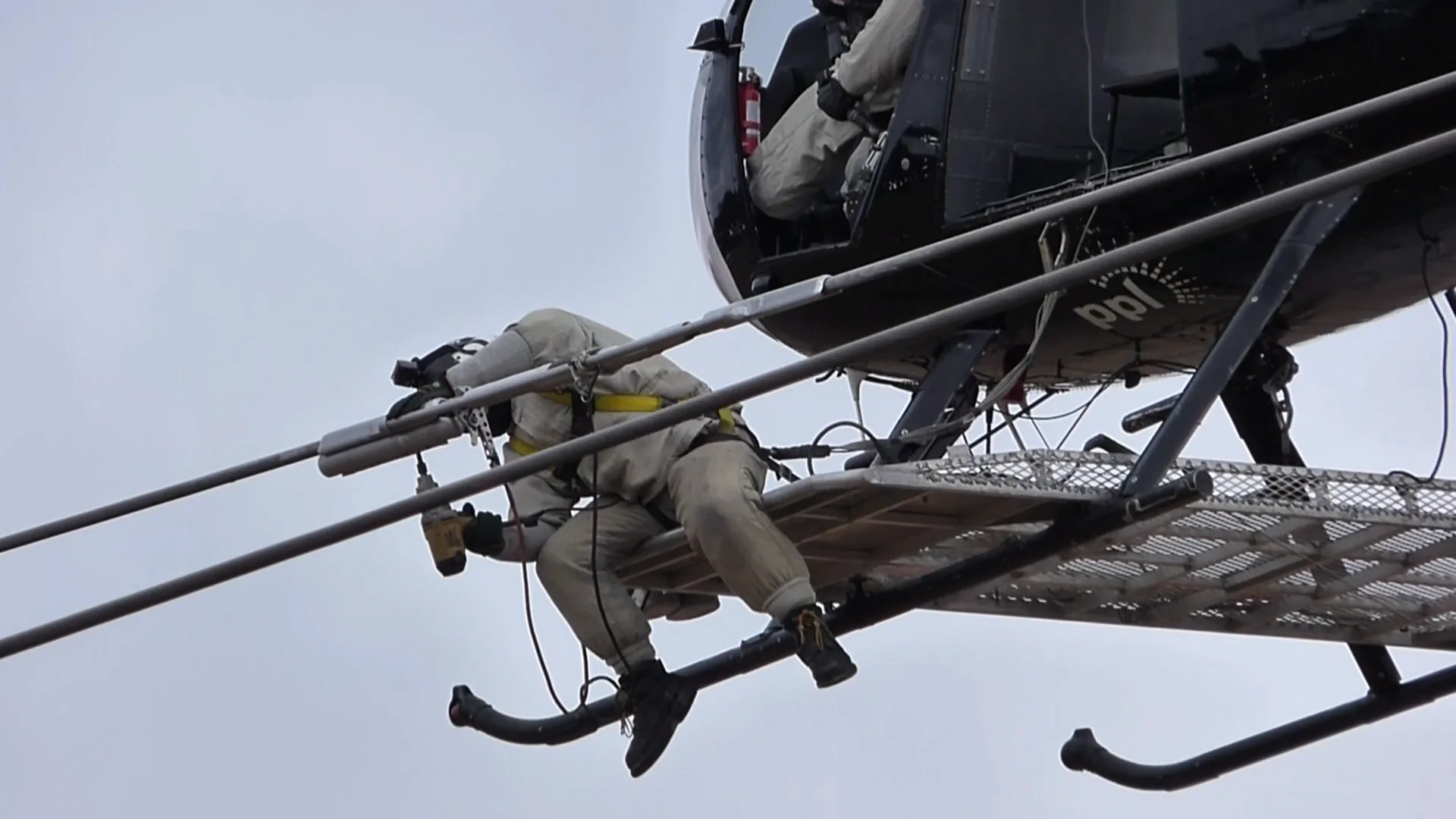
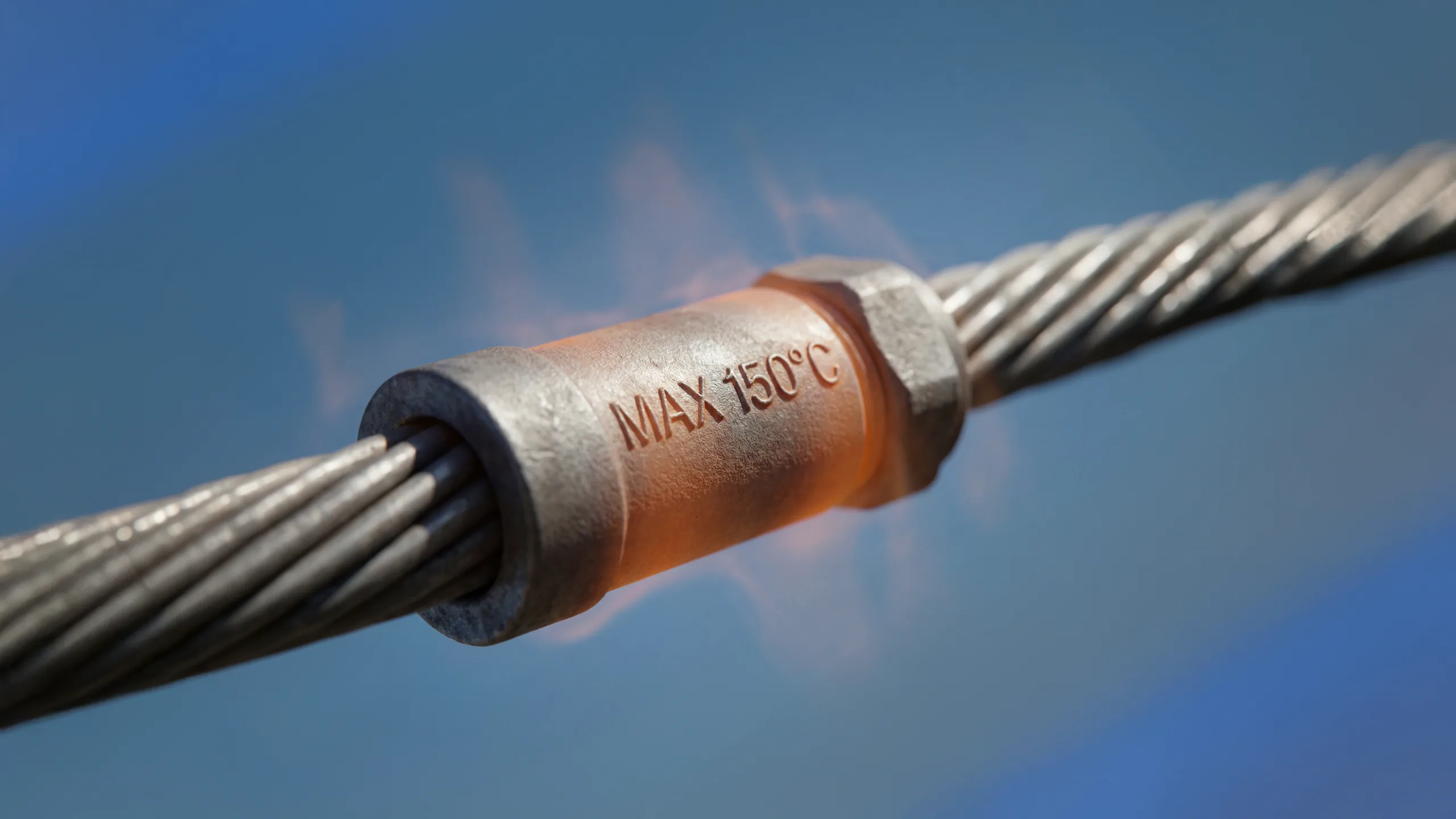
Before the clamp is closed, the crew tests the grounding connection. In the source footage, that test produced a small spark. The material was shaky and the moment lasted a beat; it took repeated viewing to find it. Enlarging and reframing the real event gave the film its most credible detail.
The detail an engineer notices is the detail that proves we looked.
03 / The build
01
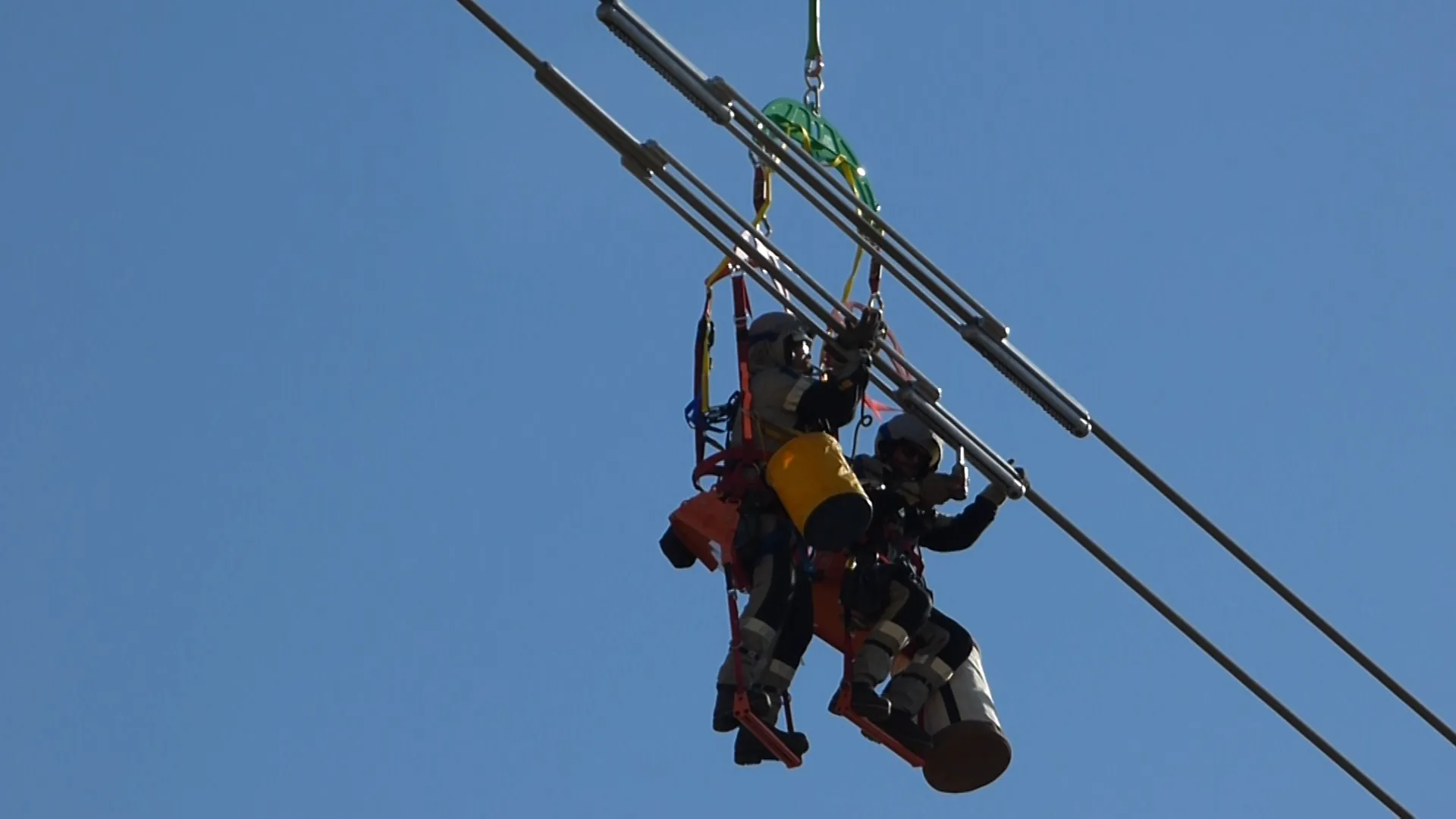
Client footage, testing references, product geometry and installation procedure established the world. Before making it cinematic, the work had to understand what it was looking at.
02
The grounding spark connected the tiny action to the larger system. It was not a dramatic invention; it was a real technical beat recovered from difficult footage.
03
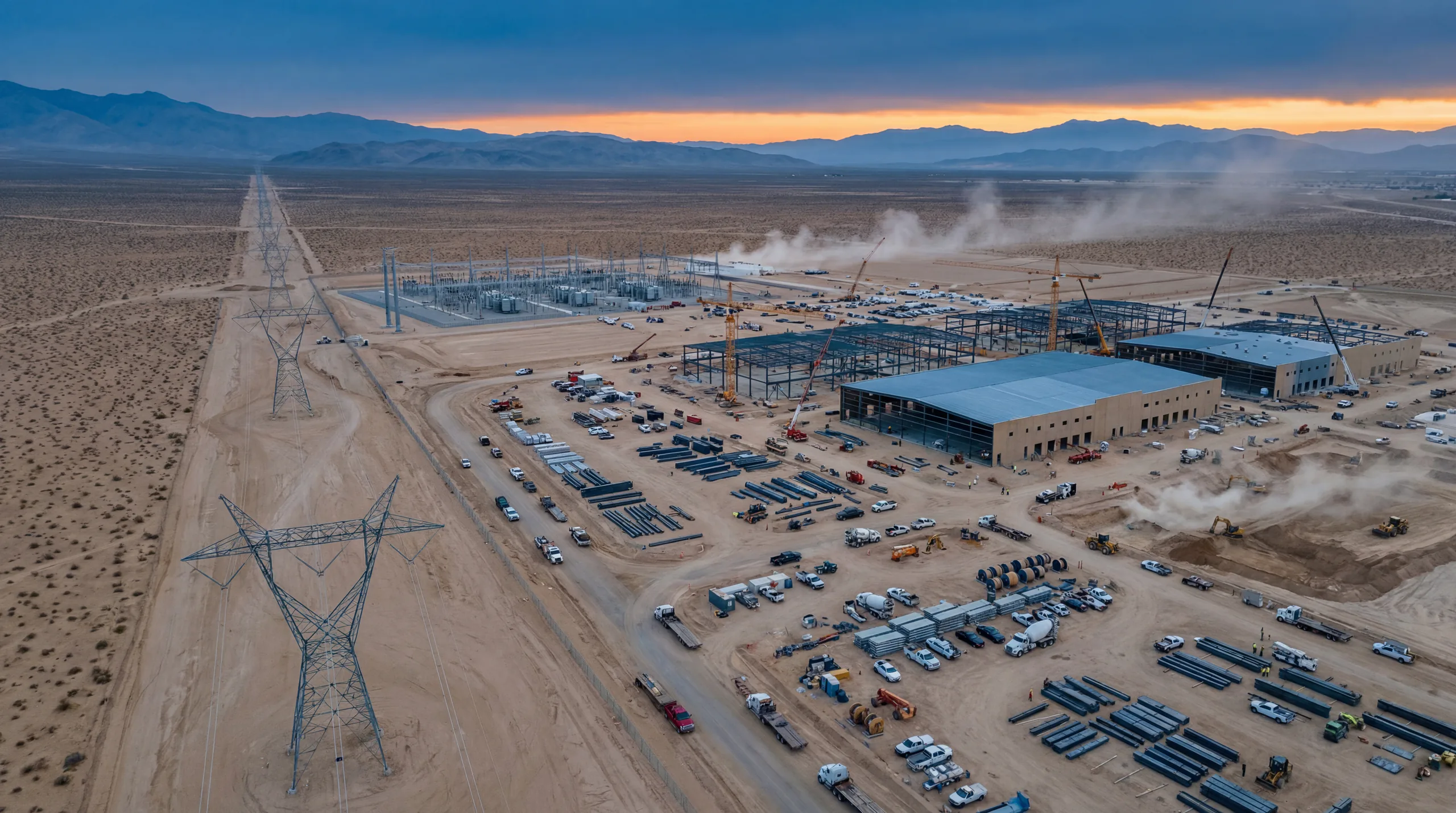
Constructed environments could express demand, temperature, weather and scale. The product and the evidence could not drift simply because a more spectacular image was possible.
04 / Visual Intelligence
A precise intervention in existing transmission infrastructure—not abstract innovation detached from the grid.
Engineered, practical and calm under pressure, with confidence earned through scrutiny.
An expert audience believes the larger promise when the smallest details agree with reality.
Cinematic urgency without generic energy-sector spectacle or manufactured danger.
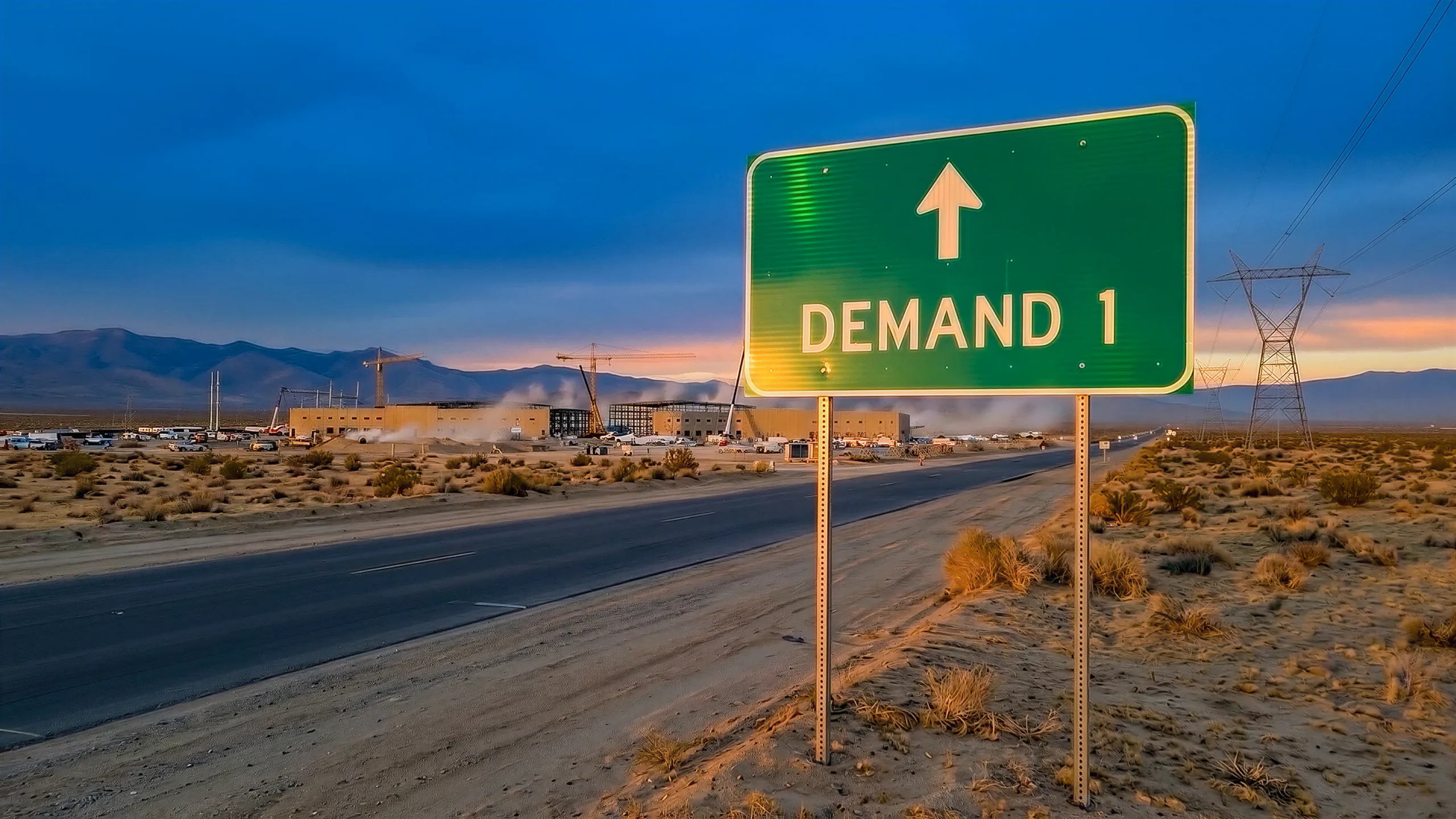
The story changes scale—from continent-sized demand to metal, cable and a momentary spark.
Steel, sky, thermal warmth and controlled electrical energy create one technically grounded world.
05 / Real + constructed
Real installation footage and product references establish the geometry, procedure and credibility. Constructed images can make invisible forces—load, heat, weather and demand—cinematically legible. They remain illustrations, not engineering evidence. Every visible product detail and technical statement still requires review by the people who know the system.
06 / The result
The finished communication connects the infrastructure-sized consequence to the product-sized intervention, while preserving the technical detail that makes the story credible to an expert audience. Public performance results are not yet documented, so the case claims the work—not invented business outcomes.
Questions from the case
Connect the small product to the infrastructure-sized consequence, then find the real detail that earns the right to tell the larger story.
It supplied real reference for the helicopter, conductors, equipment, crew position, weather, scale and installation procedure. It is evidence as well as spectacle.
A brief real event during the grounding test before the clamp was closed. The footage was reviewed repeatedly, enlarged and reframed until the existing moment became visible.
The actual product, installation behavior, cable geometry and technical details. Constructed surroundings could extend the world but could not overwrite the engineering evidence.
It helped visualize scale, demand, weather, heat and other conditions that the available footage could not show cinematically. Those images remain directed illustrations and require technical review.