01 / Map
Separate evidence from atmosphere.
Every claim, clinical image and approved quote was identified before the visual treatment was extended.
HeartSee / Medical communication
HeartSee needed a contemporary film for an expert medical audience. The opportunity was to modernize the experience while keeping every clinical statement, image and implication inside the evidence.
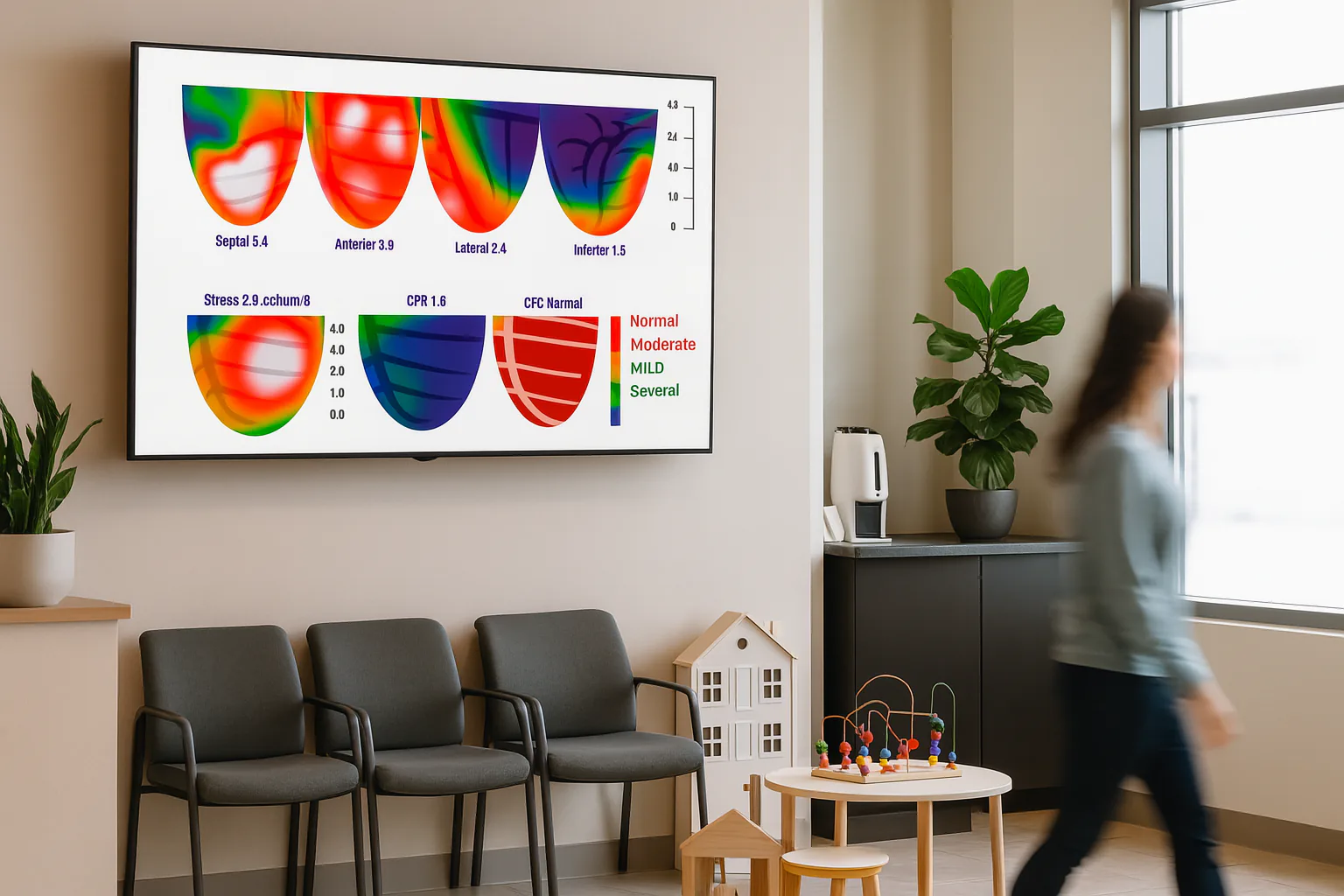
HeartSee / visualized environment
What our lens uncovered
Modern did not mean louder. It meant clearer structure, better pacing and a visual system that respected the audience’s intelligence.
01 / The assignment
The source material arrived as a brochure, an evolving presentation, a script, medical images and approved headshots. There was no shoot to unify it all.
We built a visual intelligence layer around what was already approved: a system for pacing, hierarchy, motion, environment and voice that supported the medical argument without embellishing it.
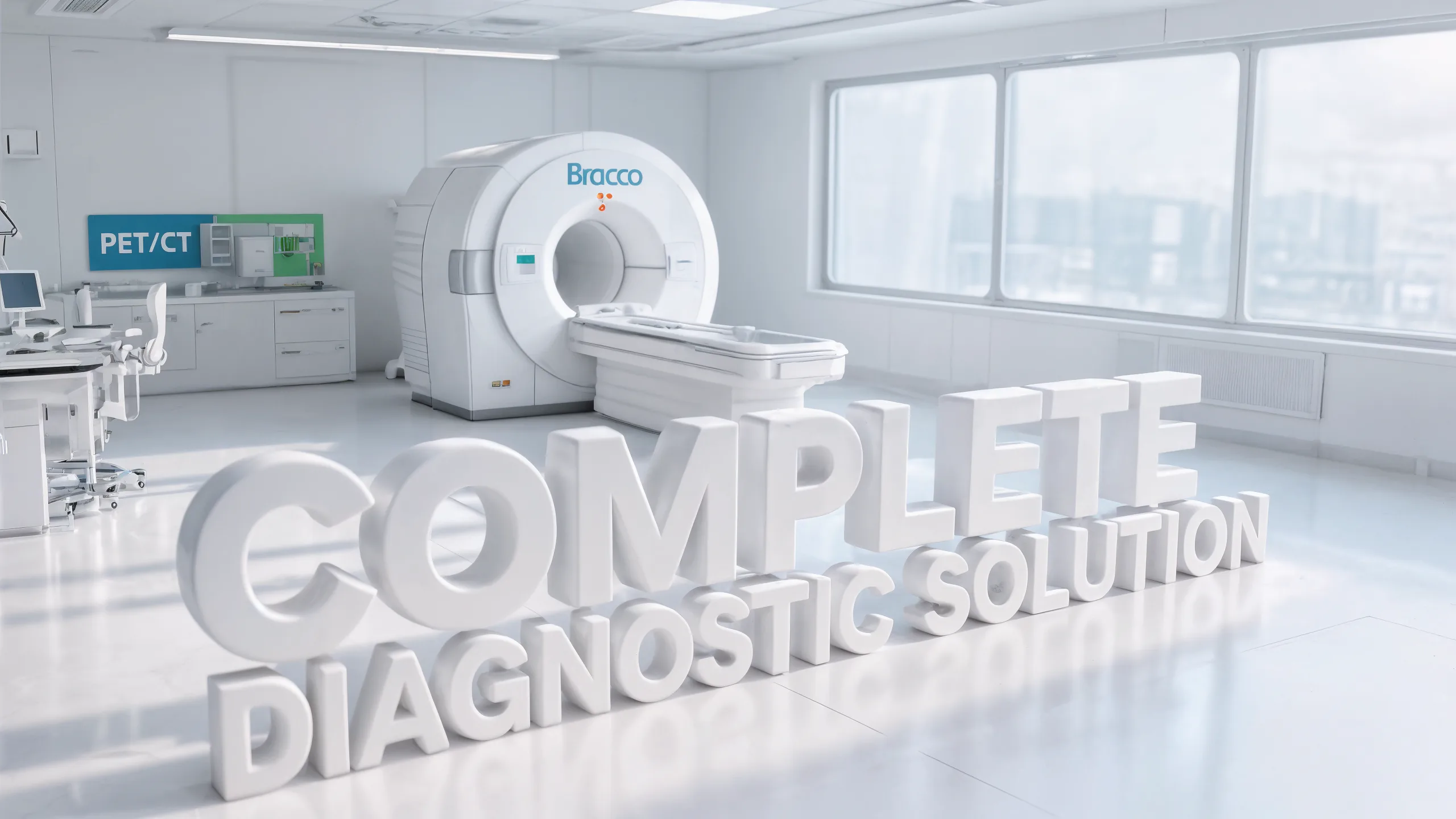
02 / The creative decision
Generated environments and motion could help the audience move through the story. They could not introduce a medical claim, imply an outcome or replace the approved evidence.
The modern layer carried attention. The evidence carried the argument.
03 / Building the film
01 / Map
Every claim, clinical image and approved quote was identified before the visual treatment was extended.
02 / Shape
Hierarchy, transitions and pacing helped experts follow the message without turning it into spectacle.
03 / Review
Creative, legal and regulatory revisions were handled as part of the same production system.
04 / Visual Intelligence
Advanced diagnostic thinking presented with precision rather than promotional noise.
Expert, considered and contemporary.
Innovation earns trust when the evidence stays visible and intact.
Confident enough to lead; restrained enough for a clinical audience.
Light, space and controlled motion made dense material easier to enter.
Medical imagery, typography, environments and movement became one coherent system.
05 / The role of AI
Generated imagery and motion supplied atmosphere where no shoot existed. Temporary voice tests helped with pacing, but the final narration and quotations were human. Approved clinical material remained the fixed center of the film.
06 / The result
Different source formats became one clear communication experience, carried through creative, legal and regulatory review without confusing visual polish for proof.
Deeper questions
Cinema is not the same as exaggeration. Composition, pacing, sound and movement can make material compelling while every factual claim remains exactly where the evidence supports it.
It can help create atmosphere, transitions, illustrative context and production options. It should not quietly invent evidence, outcomes, patients, approvals or medical meaning.
The visual system is built to absorb revision. Because claims, evidence and atmosphere are separated, we can update one layer without losing control of the whole film.