01
ReMatter
Years of work established the visual territory before generative AI entered the process. The aesthetic was learned through the real company, its customers and the physical world of the industry.
ReMatter → ReSpark
For years, HumanMedia helped ReMatter develop a visual language grounded in the real places, people and materials of the recycling industry. When the brand evolved into ReSpark, that accumulated understanding became a launch film, a wider aesthetic and a campaign world that could keep expanding.
The relationship
The work did not begin with a prompt. It began with years of seeing the brand from the inside.
01 / The problem
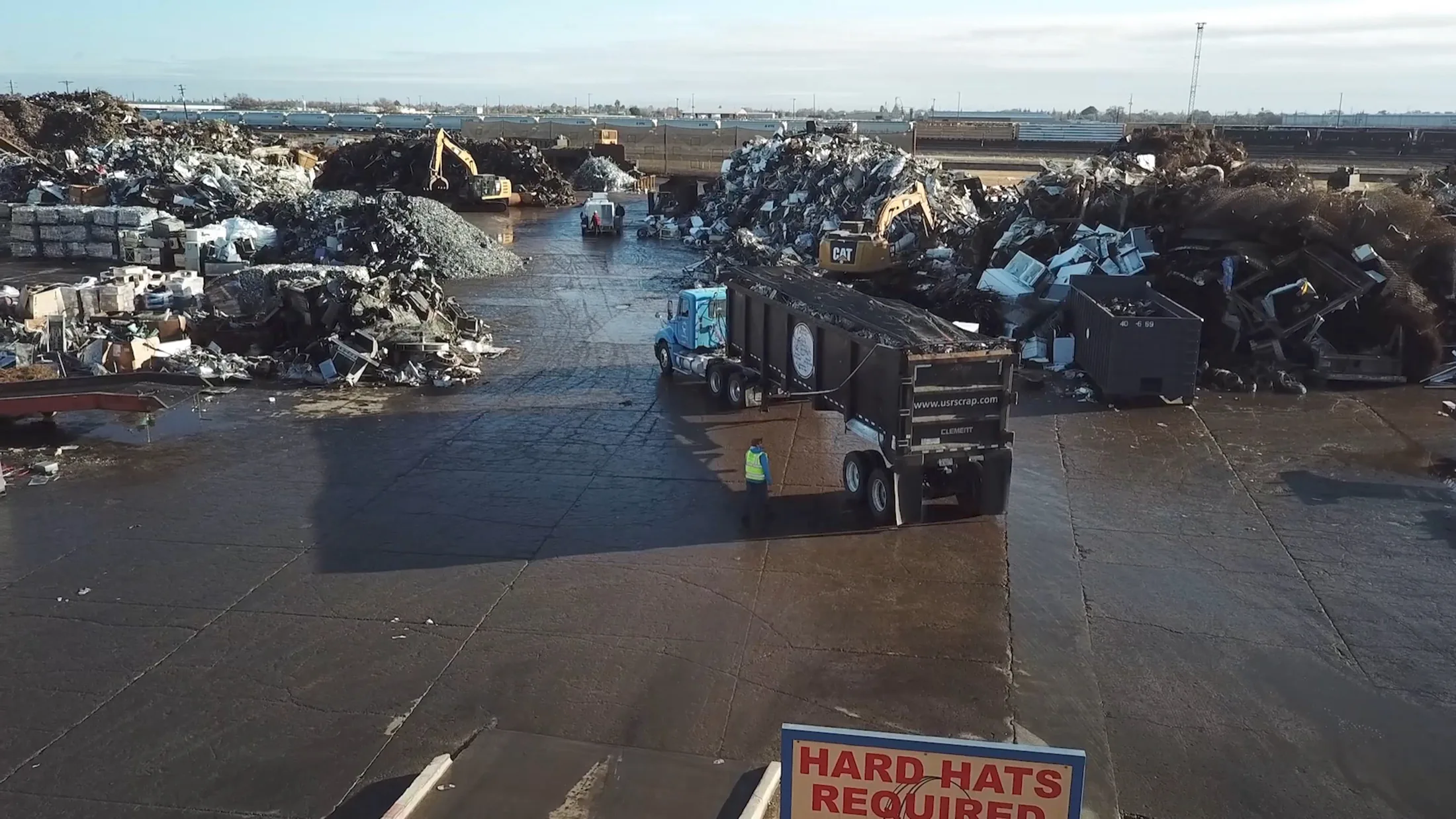
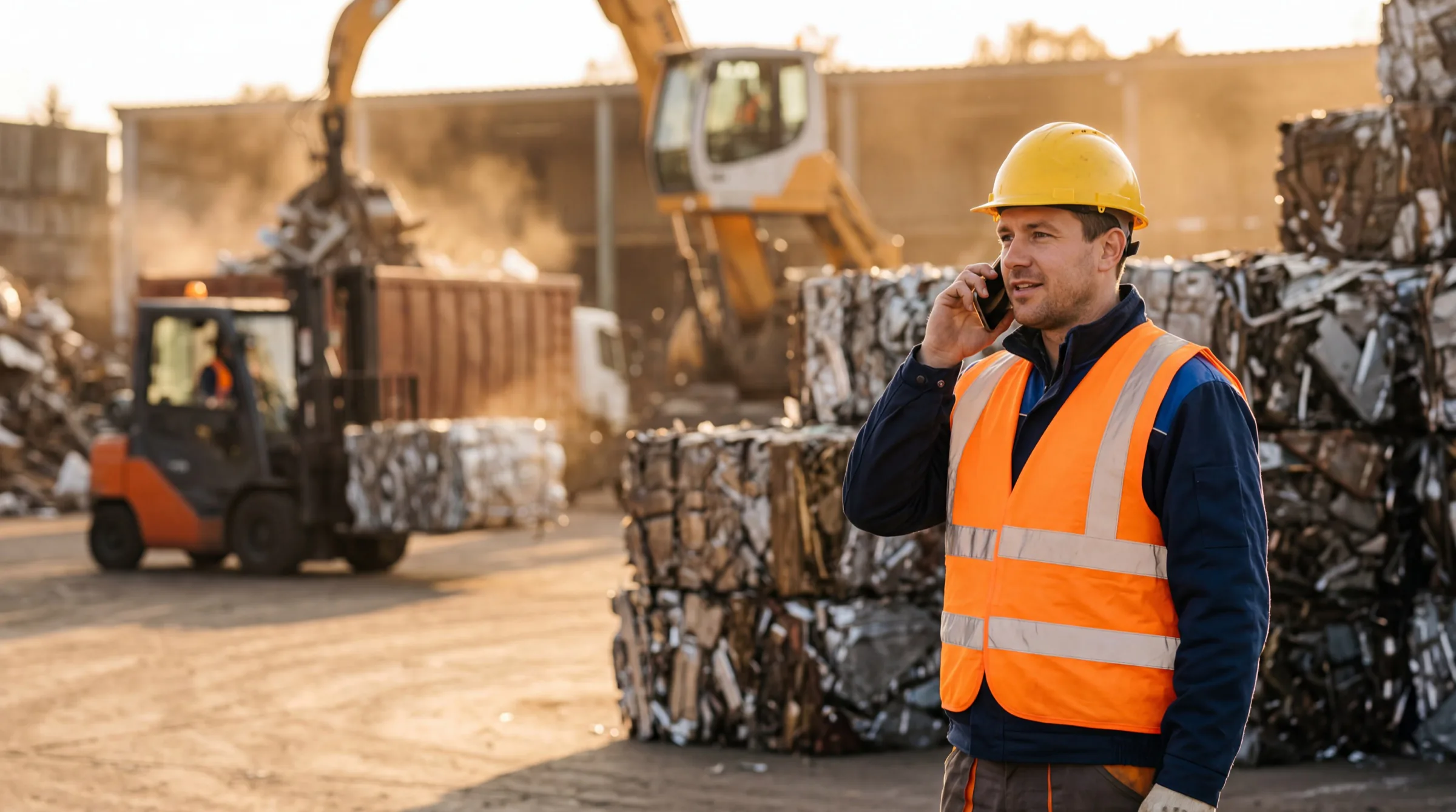
Left alone, image models returned the same scrapyard: dirty, anonymous, rusted and interchangeable.
That missed the people who work there, the pride they take in their businesses, and the real diversity of materials, operations and places. The failure was not simply visual quality. The work was being seen through the wrong point of view.
02 / The creative decision
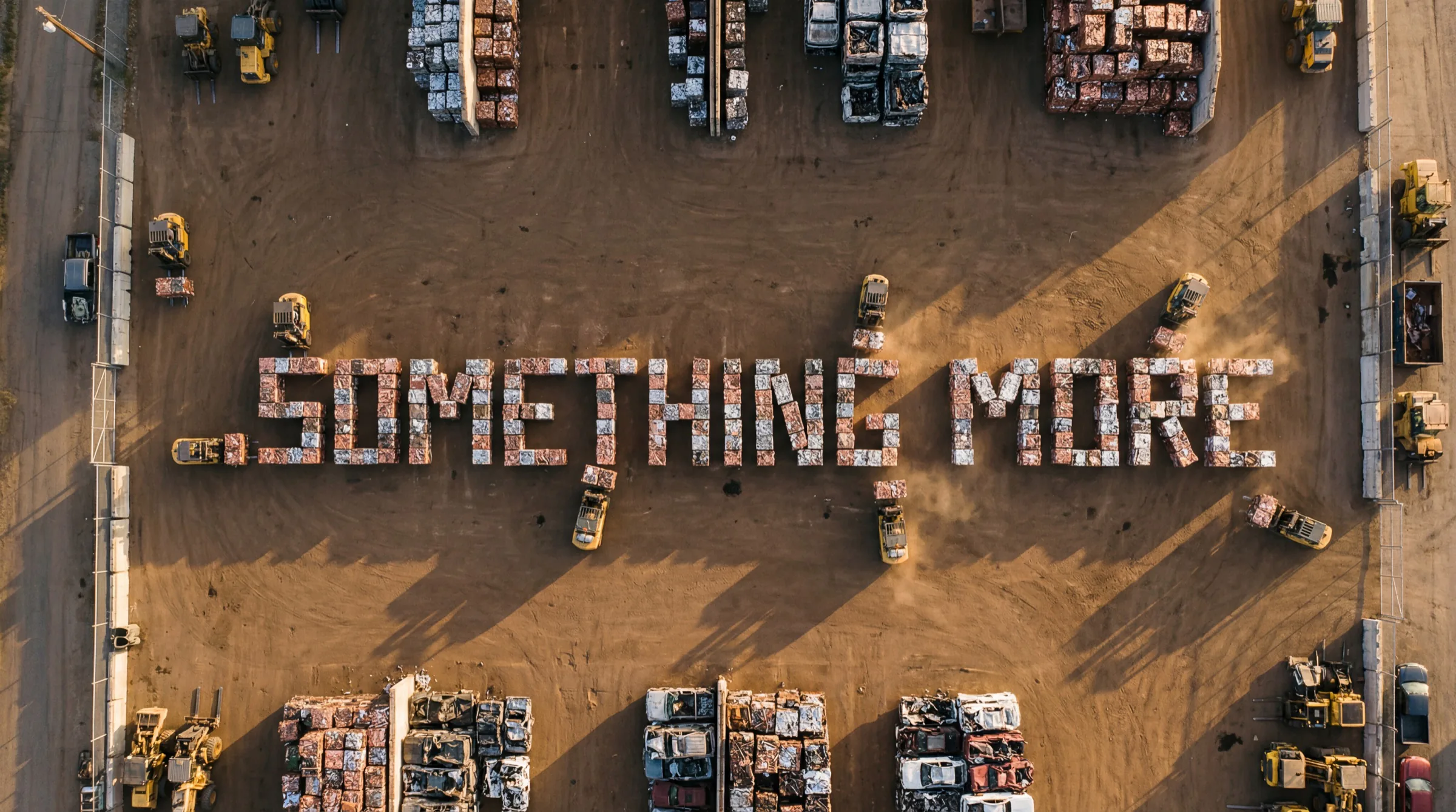
Existing case-study footage, photography and even phone images became the ground truth. HumanMedia used those references to protect the reality of the location, then extended viewpoints, scale and coverage without losing the place.
“Let's make this real and let's make it what a real place looks like.”
03 / The build
01
Years of work established the visual territory before generative AI entered the process. The aesthetic was learned through the real company, its customers and the physical world of the industry.
02
The client came for a launch video. The work expanded the existing language into a more complete expression for the brand's next chapter.
03
The aesthetic continued into Performance Max work, sharpened through yard-specific language, more credible places and people, and a green-spark motif.
04 / Visual Intelligence
Technology for the reality of the yard, not an abstract software category.
Capable, direct and proud of the work.
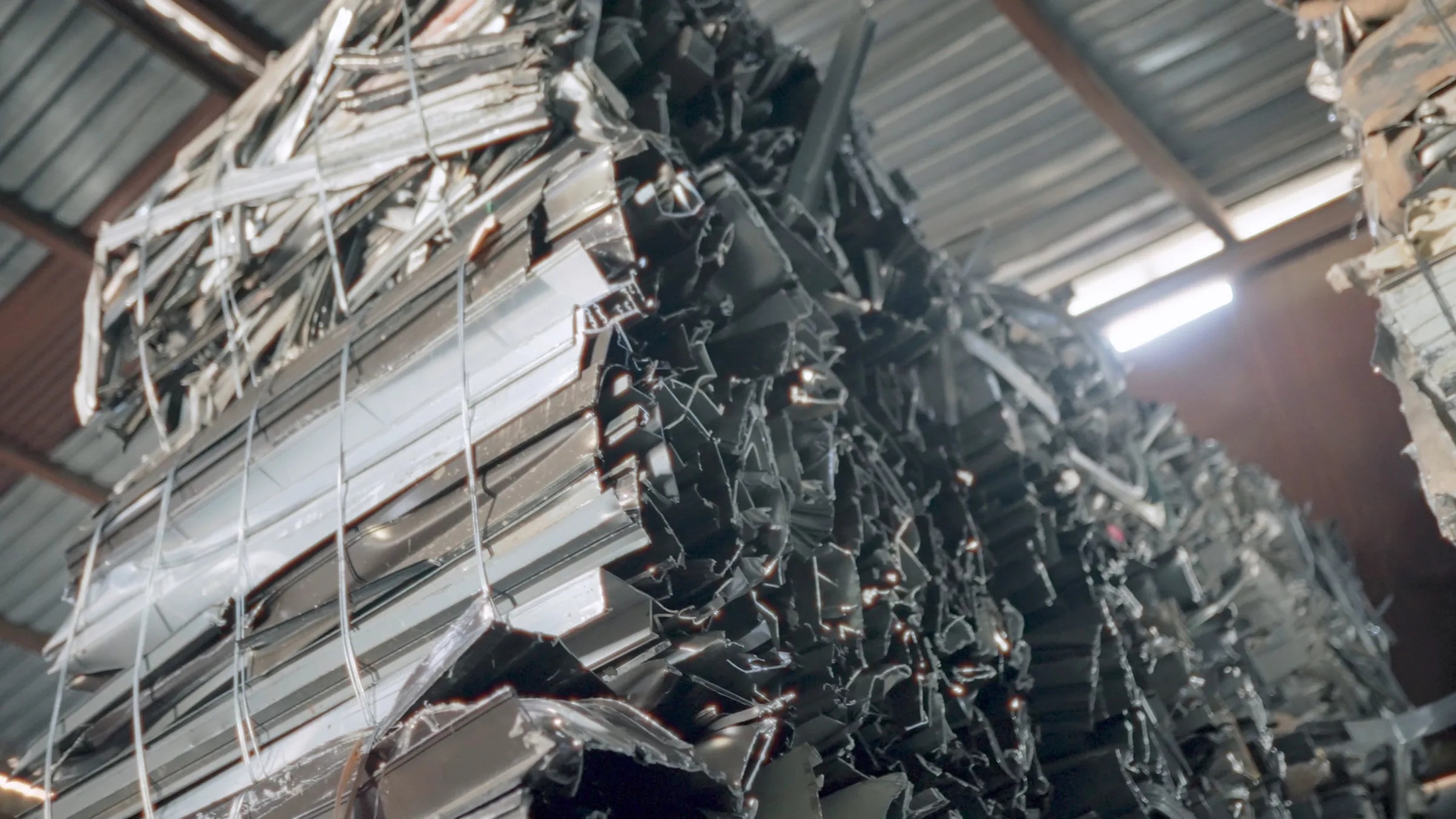
The industry is more varied, modern and human than its stereotype.
Specific and confident, without manufacturing grime.
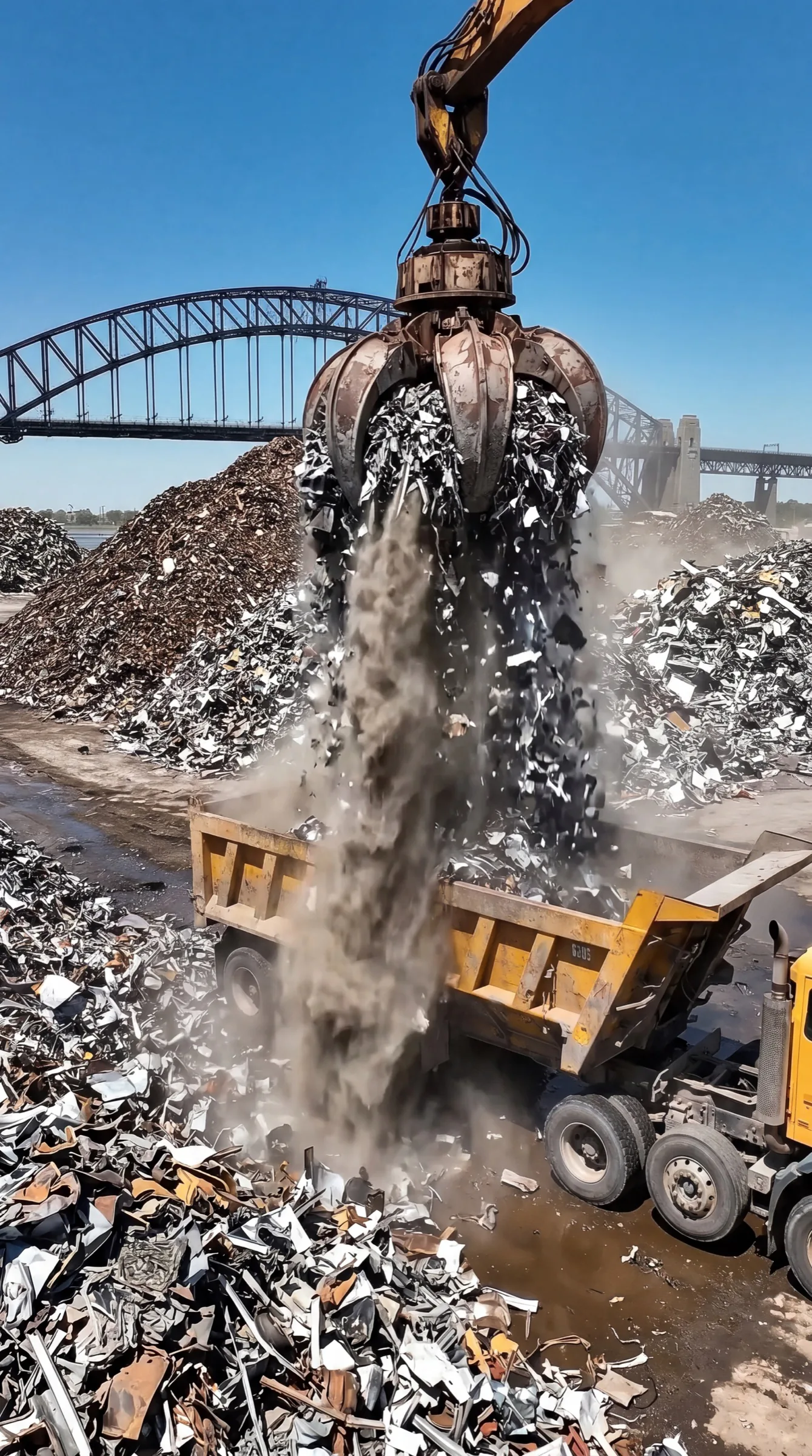
Scale, material, movement and cinematic detail.
A recognizable world that could move through a rebrand and into later work.
05 / The role of AI
Real footage, still photography, mobile references and established creative direction supplied the truth. Generated imagery added coverage, scale and new viewpoints. Every result still had to pass through one focused creative lens.
06 / The result
The launch did not end as a single asset. The aesthetic carried into later Performance Max work, where real-world references could be remixed into new angles, formats and campaign openings while remaining recognizably part of the same brand.
Questions from the case
Because it reproduced the category stereotype instead of the customer's reality. The imagery was not only generic; it misunderstood the places, people and materials it was supposed to represent.
The location, the working environment, the materials, the customer's knowledge and the visual language developed across the relationship supplied the ground truth.
It added new viewpoints, scale, variations and formats inside an already directed world. It was an amplifier, not the inventor of the aesthetic.
Once a location is understood and captured clearly, it can anchor new angles, actions, framings and campaign variations. The real place remains the reference while the available coverage expands.
The accumulated visual language, a more accurate view of the yard, yard-specific messaging and the evolved green-spark motif carried the world forward.